Chili export to China offers Vietnamese agricultural businesses an opportunity to access a large and diverse market. However, entering the Chinese market requires careful preparation, from raw material quality and phytosanitary requirements to packaging, labeling, traceability, and export documentation.
In this guide, MitaFood covers the key requirements and considerations for businesses preparing chili products for export to China, helping exporters better understand the process and prepare their shipments in line with market requirements.
Overview of the Chili Market in China
China has strong demand for chili products, which are widely used across the country’s diverse culinary traditions. From spicy dishes in Sichuan and Hunan to processed food products, chilies are consumed in various forms, including fresh chilies, dried chilies, chili powder, and processing ingredients.
The diversity of demand creates opportunities for agricultural exporters from countries such as Vietnam. Depending on the chili variety, product quality, packaging specifications, and requirements of individual importers, businesses can develop different product and supply solutions for the Chinese market.
Consumer preferences also vary by region. Some areas may favor moderately spicy products, while regions such as Sichuan and Hunan are particularly known for spicy cuisine. Understanding these differences can help exporters select suitable chili varieties and product specifications for their target customers.
Food safety and traceability are also important considerations for importers. Consistent product quality, control of pesticide residues, clear raw material origins, and compliance with phytosanitary requirements can support smoother cooperation between Vietnamese exporters and Chinese importers.
For Vietnamese businesses, controlling the supply chain from growing areas through primary processing, quality testing, and packaging provides a foundation for developing chili export to China activities.
Overview of the chili market in China
Export Requirements and Chili Quality Standards for China
Businesses planning to export Vietnamese chilies to China need to prepare documentation and meet requirements related to phytosanitary control, food safety, product quality, and traceability.
Requirements may differ depending on the type of chili product, processing method, packaging, and applicable regulations. Therefore, exporters should verify the current requirements for their specific products before arranging a shipment.
GACC Registration for Production and Processing Facilities
An important consideration when exporting agricultural products to China is the registration of production, processing, or packaging facilities with the General Administration of Customs of China (GACC) where required by applicable regulations.
The registration number allows Chinese authorities to identify facilities within the relevant regulatory management system.
Businesses should establish appropriate quality control procedures, raw material management systems, and traceability records before completing the registration process. Requirements can vary according to product categories and applicable regulations, so exporters should verify the specific requirements for chili products before proceeding.
Quality and Residue Control
Product quality is a key consideration in the chili export to China process. Businesses should control pesticide residues, heavy metals, microorganisms, and other relevant food safety parameters in accordance with applicable requirements.
To reduce potential risks, raw material growing areas should be managed under standardized procedures, while cultivation records and information about agricultural inputs should be maintained for traceability.
Before shipment, businesses may also arrange laboratory testing through qualified testing facilities to assess whether the products meet the relevant specifications and requirements.
Phytosanitary Certificate
A phytosanitary certificate is an important document for agricultural export shipments where required. It is issued by the competent Vietnamese authority after the shipment has met the applicable phytosanitary requirements.
Depending on the product and requirements agreed with the importer, businesses may also need to prepare additional certifications or implement food safety management systems such as HACCP, ISO 22000, or GlobalG.A.P.
A structured quality management system can support export procedures while helping businesses respond to the requirements of international customers.
With experience in agricultural exports, MitaFood focuses on quality control from raw material sourcing and primary processing to packaging and shipment preparation, with product specifications adapted to the requirements of individual markets and import partners.
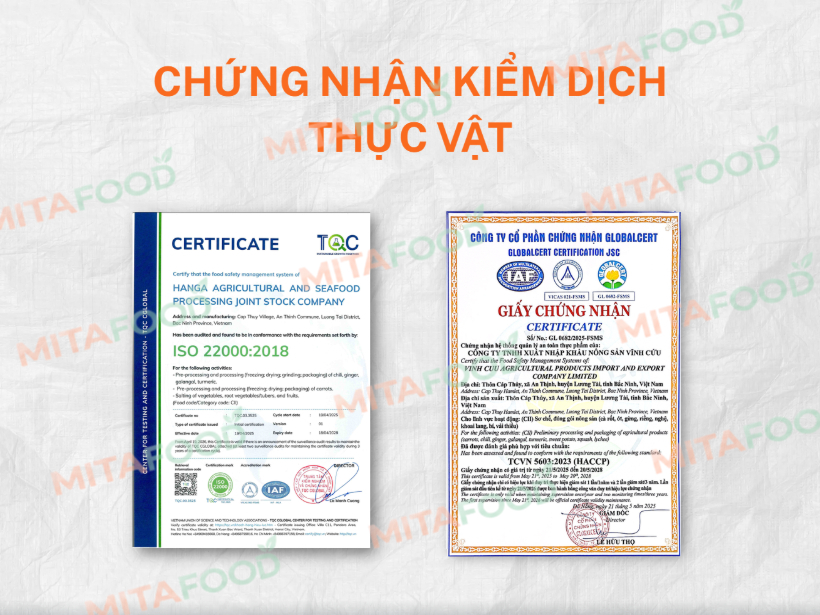
Phytosanitary Certificate
Packaging Requirements for Chili Export to China
Packaging plays an important role in protecting chili products during storage and transportation. The appropriate packaging format depends on the type of chili, product condition, transportation method, and requirements of the importer.
Fresh Chili Packaging
For fresh chilies, packaging should provide suitable ventilation to help reduce moisture accumulation and maintain product freshness during transportation.
The packaging should also help minimize physical damage, contamination, and quality deterioration throughout the logistics process.
Dried Chili and Chili Powder Packaging
For dried chilies and chili powder, packaging should provide protection against moisture and excessive exposure to air and light. Suitable packaging can help preserve the product’s color, aroma, flavor, and overall quality during storage and transportation.
Businesses should also agree with Chinese importers on net weight, package dimensions, packing methods, and cargo arrangement before production and shipment.
Selecting appropriate packaging specifications in advance can help reduce product loss, facilitate logistics operations, and minimize potential issues during delivery.
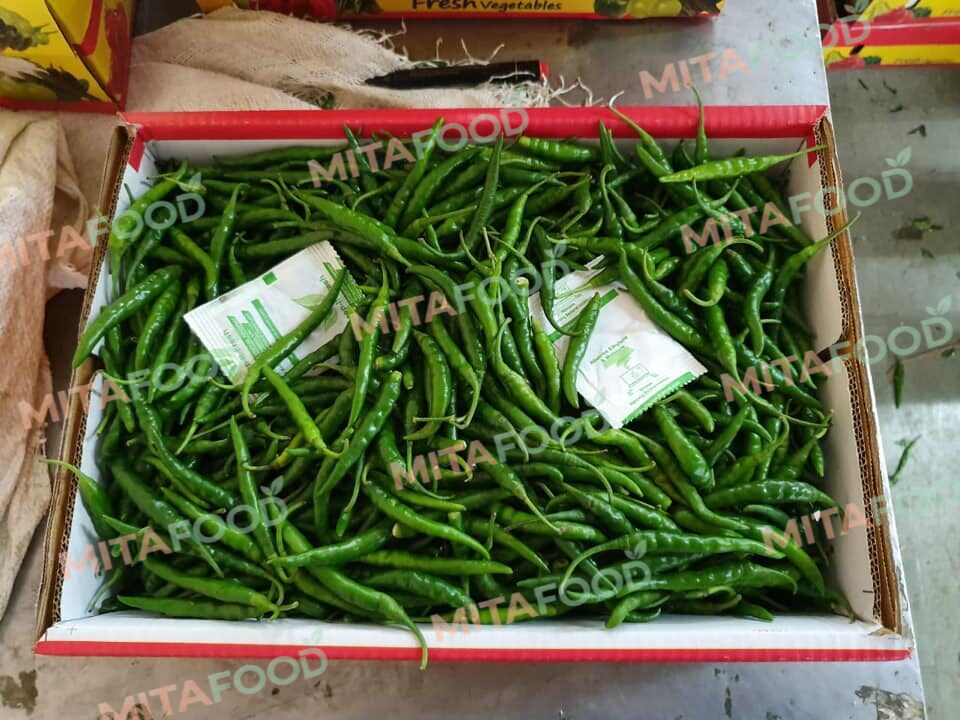
Product Packaging Requirements
Product Labeling Requirements
Product labels should comply with the applicable requirements of the Chinese market and remain consistent with the documentation accompanying the shipment.
Depending on the product type, packaging format, and applicable regulations, labeling information may include:
- Product name
- Ingredients
- Net weight
- Production date and expiry date
- Storage conditions
- Country of origin
- Manufacturer or packer information
- Importer information
- GACC registration number, where required
For processed chili products such as chili powder, packaged dried chili, and ground chili, additional information may be required depending on the applicable regulations, including nutritional information, food additives, and allergen declarations where applicable.
Businesses should confirm the specific labeling requirements for each product and agree on the label content with the Chinese importer before printing packaging in bulk. Preparing accurate labels in advance can help reduce information errors, avoid unnecessary packaging adjustments, and support the customs clearance process.
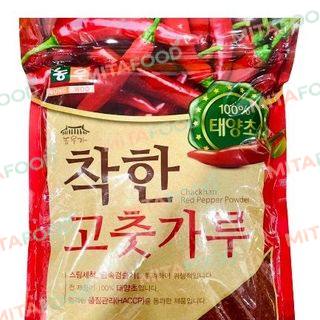
Product Labeling Requirements
The Role of Packaging and Labeling in Customs Clearance
Packaging and labeling are not only related to product presentation but are also important parts of export preparation. Accurate information that is consistent with shipment documentation and applicable market requirements can help businesses minimize errors during customs clearance.
Clear labels also allow buyers to identify important product information, including origin, ingredients, specifications, and storage conditions.
For exporters, standardized packaging and labeling can contribute to a more consistent product presentation and facilitate communication with importers and other business partners
The Role of Packaging and Labeling in Customs Clearance and Marketability
MitaFood – Chili Export Supply Partner to China
With a focus on developing agricultural products for international markets, MitaFood works to build an integrated supply chain covering raw material sourcing, primary processing, processing, quality control, and product preparation.
Controlled Raw Material Sourcing
MitaFood develops linked raw material supply areas in regions with favorable conditions for agricultural production. Managing raw materials from the cultivation stage provides greater control over product quality, supply capacity, and traceability.
Criteria related to varieties, cultivation practices, harvesting, and storage are managed to support a consistent supply of chilies suitable for processing and export.
Diverse Chili Processing Capabilities
MitaFood provides chili products in different forms according to customer requirements, including fresh chilies, dried chilies, dehydrated chilies, chili powder, and customized packaged products.
This range of product formats allows MitaFood to work with different types of customers, from importers seeking raw materials for further processing to businesses looking for finished chili products for their markets.
Export Market Development
MitaFood focuses on supplying agricultural products with clear origins, consistent quality, and specifications adapted to the requirements of individual markets.
For customers in China, the company coordinates on product standards, packaging specifications, export documentation, and delivery requirements before each order.
With its raw material sourcing network and processing capabilities, MitaFood aims to build long-term relationships with importers, food processing companies, and international customers seeking Vietnamese chili products.
MitaFood -Chili Pepper Export Supply Partner to China
Conclusion
Chili export to China requires businesses to consider multiple aspects, including raw material control, product quality, phytosanitary requirements, GACC registration where applicable, traceability, packaging, labeling, and export documentation.
Preparing these requirements systematically from the early stages can help Vietnamese exporters better manage shipment risks and respond to the requirements of Chinese import partners.
With its focus on agricultural sourcing, processing, quality control, and export preparation, MitaFood supplies chili products in various specifications for importers and food processing businesses in international markets.
Reference: Proship (2022), Standards and Regulations for Exporting Chili Peppers to China.