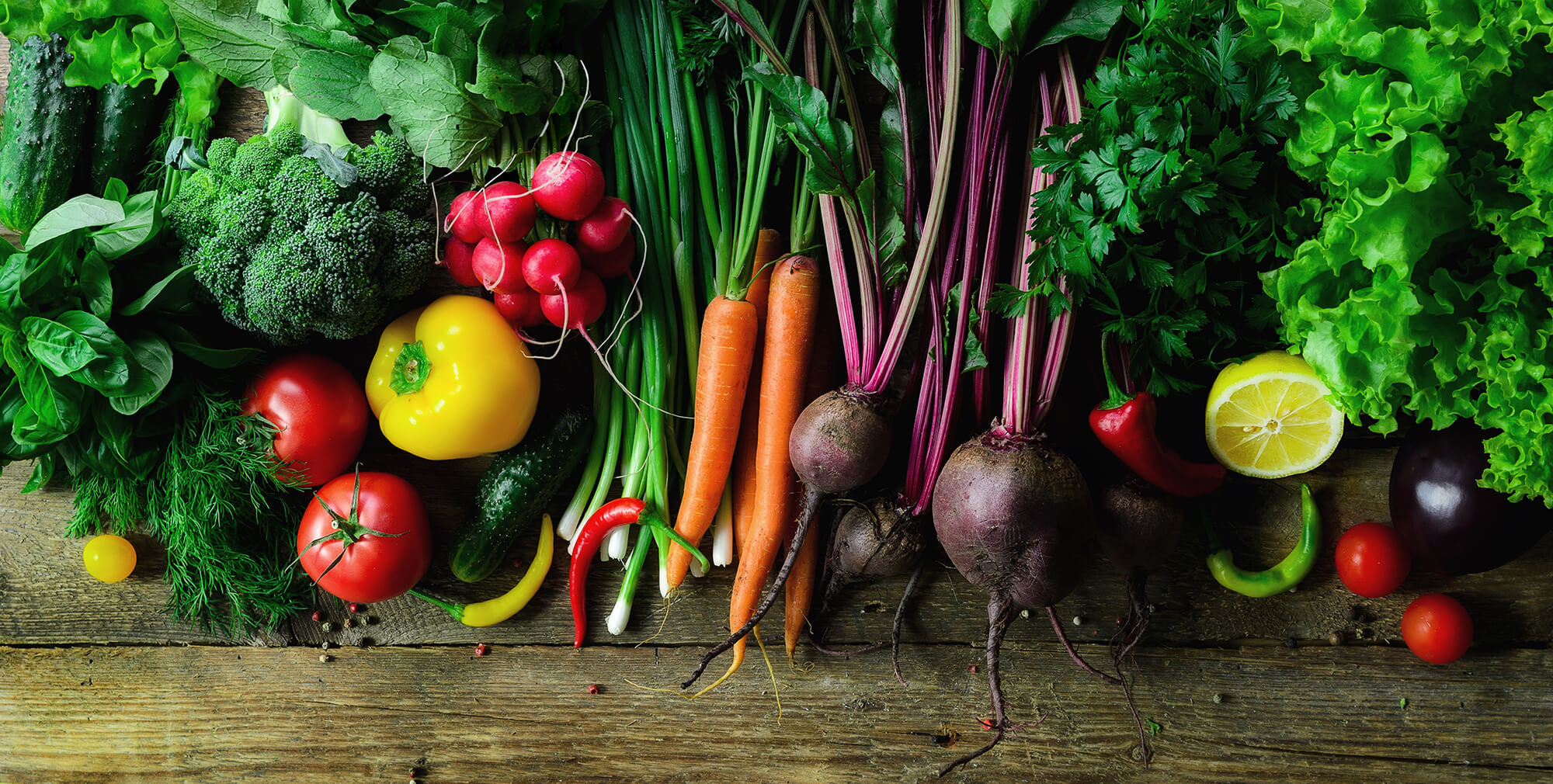
Chili export to Korea presents an opportunity for Vietnamese agricultural businesses looking to expand into international markets. In addition to the demand for chilies in Korean cuisine and the food processing industry, the Korean market also has strict requirements for product quality, plant quarantine, food safety, packaging, and traceability. Therefore, exporters need to prepare carefully, from raw material sourcing to documentation and logistics. Let’s explore the key information businesses should know before entering this market with MitaFood.
Overview of the Chili Market in Korea
Chilies are a familiar ingredient in Korean cuisine and are widely used in various dishes, sauces, seasonings, and processed foods. Products such as dried chilies, chili powder, and gochugaru play an important role in traditional recipes as well as the food processing industry.
In addition to domestic consumption, Korean businesses also source raw materials from different countries to support their manufacturing needs. This creates opportunities for Vietnamese suppliers to enter suitable market segments, particularly with products that offer consistent quality, clear origins, and compliance with food safety requirements.
Consumer and buyer preferences in Korea may vary depending on the intended use of the product. For chili powder and processing ingredients, factors such as color, heat level, aroma, moisture content, size, and uniformity may affect individual customer requirements. Therefore, before making an offer, exporters should clearly identify the technical specifications and quality standards requested by each importer.
Beyond product quality, the growing focus on raw material origins and production processes has also increased requirements for suppliers. Controlling growing areas, maintaining cultivation records, testing pesticide residues, and implementing food safety management systems can help businesses better meet the expectations of Korean partners.
For MitaFood, standardizing raw material sources, processing procedures, and product documentation is a key foundation for developing the supply of chilies and other Vietnamese agricultural products to international markets.
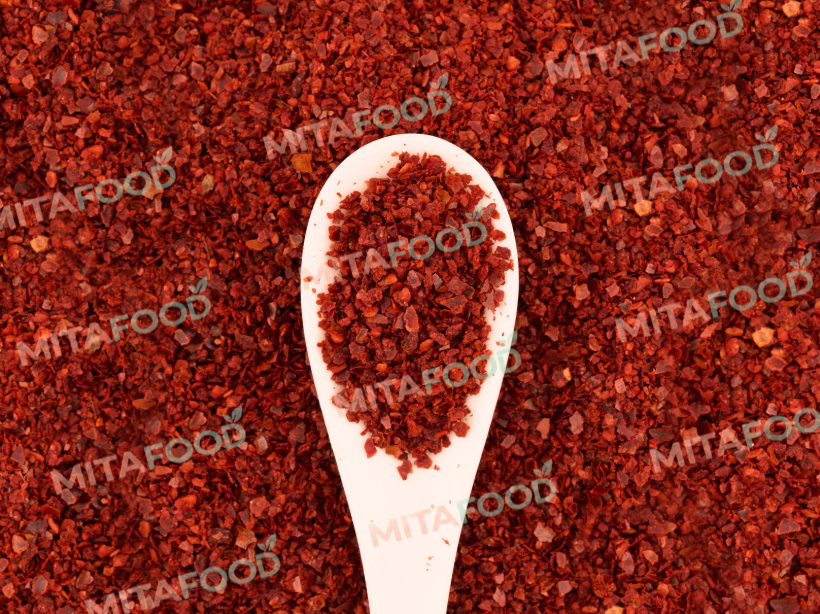
Overview of the Korean chili powder market
Requirements for Chili Export to Korea
To export Vietnamese chili products to the Korean market, businesses need to meet requirements related to food safety, pesticide residue control, traceability, and product quality. Standardizing processes from raw material sourcing to processing, packaging, and transportation helps exporters maintain better control over each shipment.
Pesticide Residue Control (MRLs)
Chilies exported to Korea must comply with the maximum residue limits (MRLs) for pesticides established by Korean regulations. Businesses should carefully control pesticide use throughout the cultivation process, comply with pre-harvest intervals, and conduct laboratory testing before shipment to assess product compliance.
Strict management at the growing-area level helps minimize the risk of shipments being rejected due to pesticide residues exceeding permitted limits while maintaining consistent raw material quality for further processing.
Ensuring Traceability
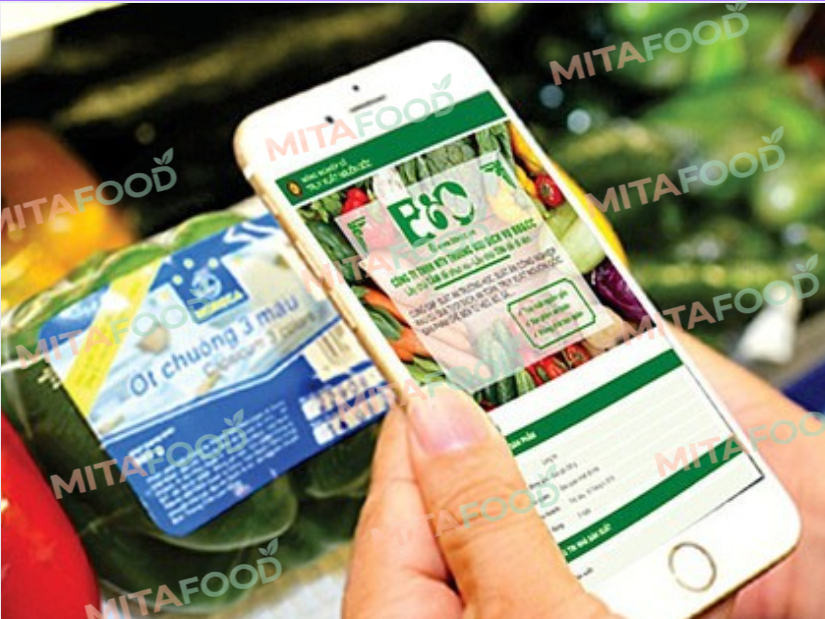
Traceability is an important requirement for agricultural products intended for export. Businesses should be able to identify the source of raw materials and track relevant stages, including seeds, growing areas, cultivation practices, harvesting, processing, storage, and transportation.
In addition, management systems and certifications such as GlobalG.A.P., HACCP, and ISO 22000 can support businesses in establishing structured quality control processes. Depending on the product, customer, and specific import requirements, exporters should determine the applicable standards and documentation needed before confirming an order.
MitaFood focuses on controlling raw material sources and production processes to supply chili products with clear information, consistent quality, and specifications aligned with the requirements of each export market.
Strict export requirements
Phytosanitary Inspection
Chilies exported to Korea must comply with phytosanitary requirements under applicable regulations. Businesses need to complete phytosanitary procedures with the competent authorities in Vietnam and prepare a Phytosanitary Certificate when the shipment is subject to this documentation requirement.
Before shipping, exporters should proactively check the phytosanitary requirements applicable to each type of chili, prepare the necessary documents, and register for inspection in accordance with the required procedures. Complete and accurate documentation helps minimize potential issues during export and import customs procedures.
Quality Inspection
In addition to phytosanitary requirements, chili quality should be controlled according to the technical specifications agreed upon with the buyer. Commonly assessed criteria include moisture content, foreign matter, color, size, shape, and product uniformity.
Businesses may conduct testing at an accredited laboratory for the required parameters before shipment. Test results help assess the quality of each batch and allow exporters to proactively address any issues if the products do not meet the buyer’s specifications.
Packaging and Packing Requirements for Chili Export to Korea
In addition to product quality and phytosanitary requirements, packaging, packing specifications, and product labeling should also comply with applicable Korean market regulations. Packaging must protect the products throughout transportation and storage while minimizing factors that could affect product quality.
Packaging specifications should be agreed upon with the importer in advance, particularly regarding unit weight, packaging materials, packing methods, and storage conditions.
Product Labeling Requirements
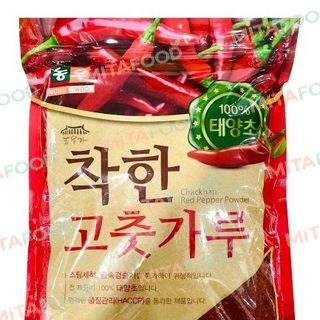
Labels for chili products entering the Korean market need to comply with applicable food labeling requirements and should be appropriate for the specific type of product. Depending on the form of the product, labels may need to include information such as:
- Product name
- Ingredients
- Net weight
- Production date and expiration date
- Storage conditions or instructions
- Manufacturer, packer, and importer information
- Traceability information or facility registration number, where applicable
For dried chilies, chili powder, or processed chili products, businesses should also check any additional requirements regarding ingredients, nutritional information, and other mandatory labeling details before printing the packaging.
MitaFood focuses on standardizing products, documentation, and packaging specifications according to each partner’s requirements, supporting the preparation of chili and agricultural products for international export markets.
Product labeling requirements
Packaging Material and Design Requirements
Packaging used for chili exports should meet food safety requirements, prevent any adverse effects on product quality, and provide sufficient protection during transportation and storage. Depending on the characteristics of each chili product, exporters can choose different packaging formats:
- Fresh chilies: Ventilated cardboard boxes can be used, combined with food-grade PE liners to help maintain freshness and minimize damage during transportation.
- Dried chilies: Moisture- and light-resistant bags or packaging should be used to help preserve the product’s color, dryness, and overall quality. When appropriate for the product and packaging format, desiccant packs may also be used to help control moisture inside the packaging.
The choice of packaging materials and packing methods should be based on the product type, transportation time, storage conditions, and specific requirements of the Korean importer.
Barcodes and Nutrition Information
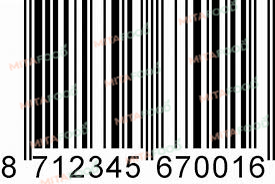
For packaged products intended for distribution in Korea, businesses should check the requirements for barcodes and product identification based on the specific distribution method. Barcodes help identify products, support inventory and product management, and facilitate distribution processes.
For processed chilies, chili powder, or pre-packaged chili products, exporters should review the requirements for nutrition information and ingredient declarations on product labels. Depending on the product formulation, information such as additives and allergen warnings may also need to be provided in accordance with applicable Korean regulations.
Before finalizing the packaging design, MitaFood should coordinate with the importing partner to confirm all requirements for labeling, barcodes, and product documentation. This helps minimize the need to modify packaging after the products have already been manufactured.
Barcodes and Nutrition Information
Logistics and Transportation Considerations
Logistics is an important part of the chili export to Korea process, particularly for fresh products that require strict control over transportation time and storage conditions. The geographical distance between Vietnam and Korea is relatively favorable for sea freight, allowing businesses to optimize transportation costs when developing an appropriate shipping plan.
For fresh chilies, maintaining stable storage conditions from post-harvest handling until delivery to the buyer should be a priority. Businesses can use a cold chain system and refrigerated containers for shipments requiring temperature control. Storage conditions should be determined based on the chili variety, product condition, transportation time, and specific customer requirements.
Meanwhile, dried chilies, dehydrated chilies, and chili powder have different storage requirements, mainly focusing on controlling moisture, temperature, light exposure, and hygiene conditions during storage and transportation. Packaging specifications should be selected according to the characteristics of each product.
Transportation time should also be carefully calculated, covering harvesting, processing, packing, customs clearance, vessel schedules, and import procedures. Working with a logistics provider experienced in the Vietnam-Korea route can help businesses manage shipping schedules, prepare documentation, and handle potential issues more effectively.
International shipping routes can connect major ports in Vietnam with Korean ports such as Busan and Incheon. Depending on the location of the raw material source, warehouse, export port, and delivery address, businesses should select a transportation solution that offers a suitable balance of transit time, cost, and storage conditions.
MitaFood – Chili Supplier for International Markets
With a focus on developing agricultural exports, MitaFood works to build a supply chain covering raw material sourcing, processing, packaging, and product preparation. Controlling these stages allows the company to better manage product quality, specifications, and supply capacity for different customer segments.
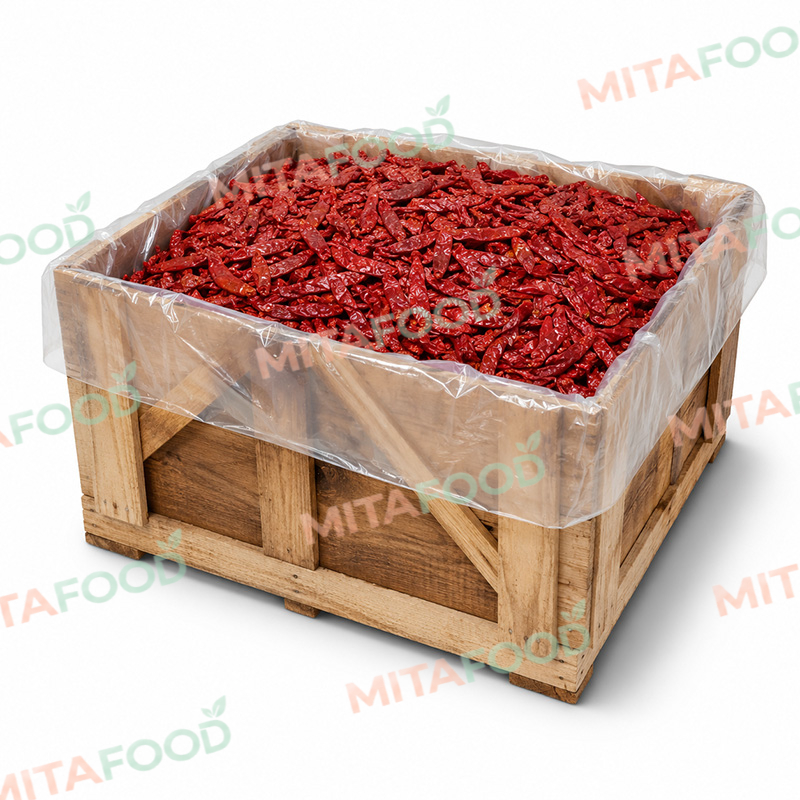
MitaFood supplies various chili products, including fresh chilies, dried chilies, dehydrated chilies, and chili powder, serving the raw material and processing needs of international buyers. Depending on each order, product specifications, quality standards, packaging, and transportation methods can be discussed and agreed upon with the buyer.
In addition to product supply, MitaFood focuses on traceability, quality control, and export documentation. These are essential factors when working with importers who have specific requirements regarding raw material origins, food safety, and product standards.
For the Korean market, MitaFood aims to work closely with partners to clarify technical requirements, packaging specifications, storage conditions, and logistics solutions before each shipment. This approach enables the company to prepare suitable products and support a more structured process for bringing Vietnamese chilies to the Korean market.
MitaFood – Chili Supplier for the Korean Market
MitaFood develops its processing and supply capabilities to provide chili products for export markets, offering various forms such as fresh chilies, frozen chilies, dried chilies, and ground chili. Depending on the requirements of each order, products can be customized in terms of specifications, size, and processing methods to meet the needs of restaurants, distribution networks, and food processing companies in Korea.
In addition to raw material quality, MitaFood focuses on controlling each stage, from raw material sourcing and preliminary processing to manufacturing, packaging, and export documentation. This process control helps ensure that products meet requirements for food safety, traceability, and product specifications across different markets, including the Korean market.
MitaFood also aims to strengthen its production capabilities and optimize its supply process to meet the diverse needs of international buyers. For chili export to Korea, businesses need to proactively control product quality, food safety standards, packaging, labeling, and relevant documentation to minimize potential issues during customs clearance and distribution.
The demand for imported and processed chilies in Korea indicates that the market has specific requirements regarding quality, heat level, color, moisture content, product specifications, and food safety. Therefore, establishing consistent production processes, maintaining transparent raw material traceability, and closely coordinating with logistics partners are important factors when exporting chilies to Korea.
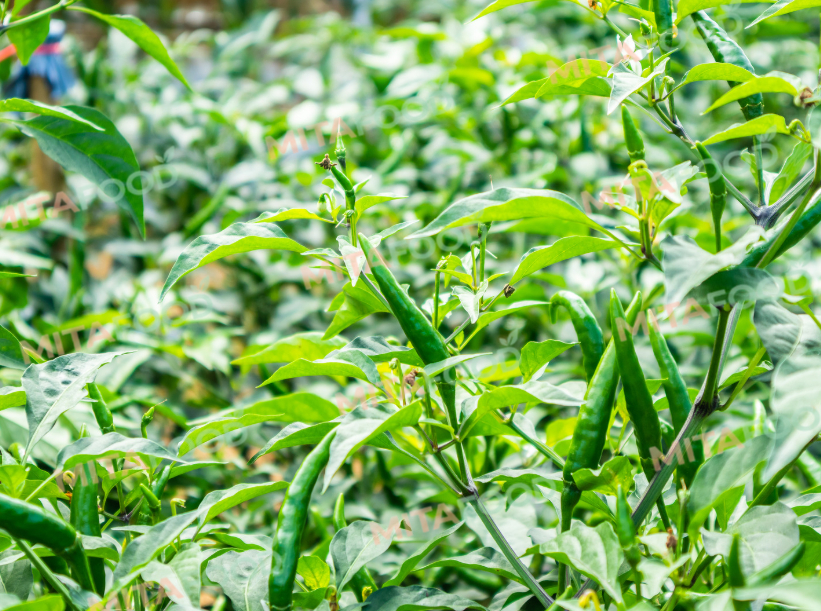
Chili export to Korea presents various opportunities for Vietnamese businesses as demand for chili-based seasonings and raw materials remains relevant in the Korean market. However, to enter the Korean market, exporters need to focus on product quality, food safety, phytosanitary requirements, traceability, as well as packaging and labeling requirements under applicable regulations.
MitaFood aims to develop a diverse chili supply with various product formats, including fresh chilies, frozen chilies, dried chilies, and ground chili, serving the needs of international buyers. Investing in production processes, raw material control, and complete export documentation provides a solid foundation for businesses to gradually meet the requirements of different markets.
With proper preparation in terms of product quality, documentation, and logistics, Vietnamese businesses can take a more proactive approach to the Korean market while enhancing the value of Vietnamese chili products and agricultural products in international markets.