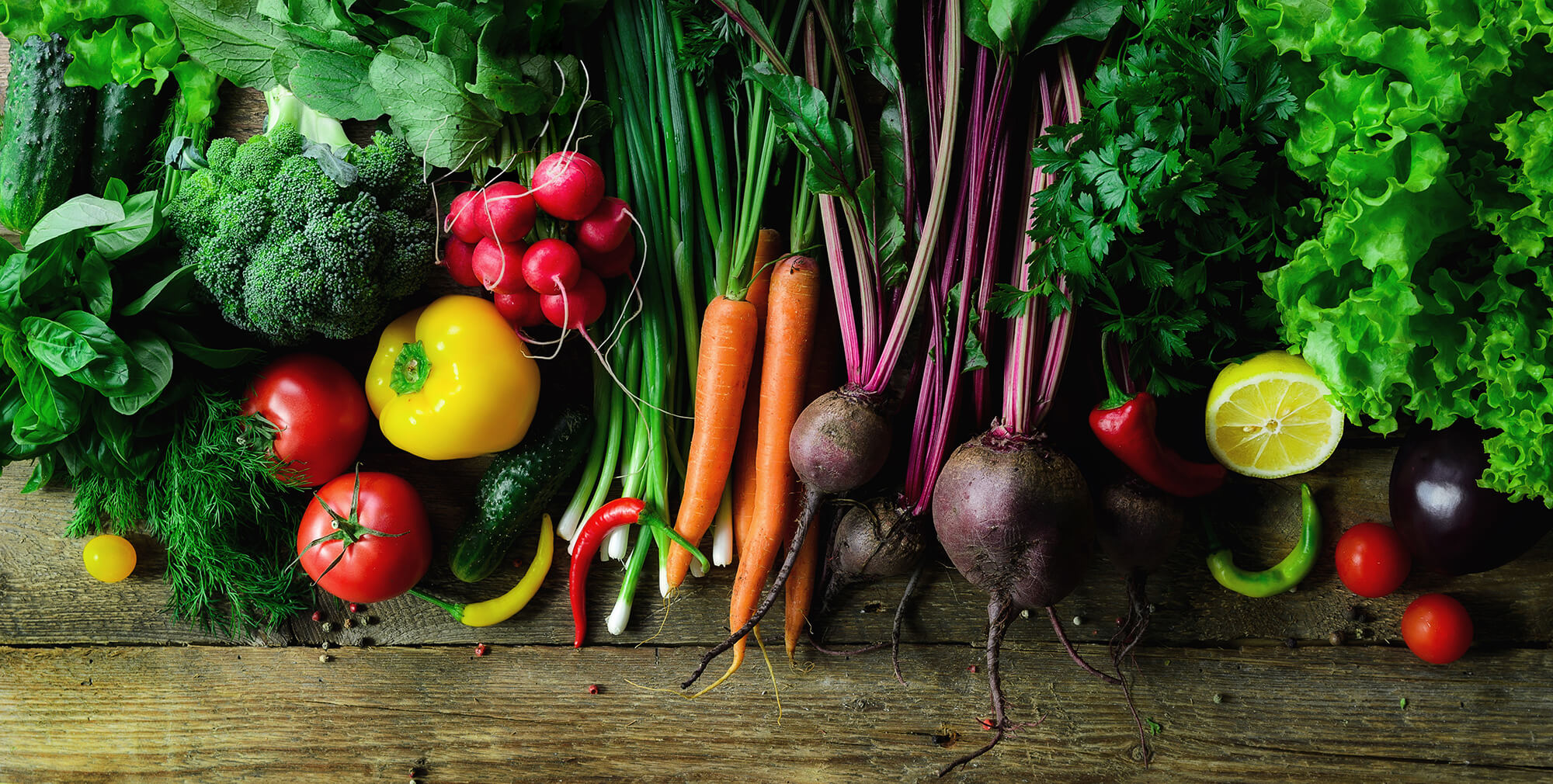
Fresh Vietnamese ginger is gaining increasing attention in many international markets due to its diverse raw materials and the demand for its use in food processing, seasoning, and beverages. However, to successfully export the product, businesses need to be fully prepared.procedures for exporting fresh ginger this includes everything from controlling raw material sources and product quality to plant quarantine and export documentation.
Understanding the requirements of each market helps businesses minimize risks during customs clearance and build a stable supply chain. MitaFood learn about the important things to prepare when exporting fresh ginger.
Is fresh ginger allowed to be exported?
Fresh ginger is an agricultural product that can be exported from Vietnam. However, depending on the importing market, businesses need to meet the relevant requirements.Plant quarantine, food safety, quality, pesticide residues, traceability, and trade records..
Before proceeding procedures for exporting fresh ginger therefore, businesses should clearly identify the importing country and check the applicable conditions for the product. Each market may have different requirements regarding quarantine, quality standards, packaging specifications, labeling, or accompanying documentation.
Vietnamese ginger currently has the potential to access many markets such as China, Japan, South Korea, the EU, the Middle East, and North America besides the general requirements of Vietnam, exporters need to understand the regulations of the importing country to prepare the goods and documents accordingly from the outset.
In particular, for markets with high agricultural product control standards, this factor…Traceability and quality control from the growing region this is receiving increasing attention. Managing information about raw material sources, cultivation, harvesting, and processing not only supports quality control but also helps businesses better meet the requirements of international partners.
Furthermore, businesses need to regularly update themselves on the import regulations of each market, as requirements regarding quarantine, residue levels, and food safety may be adjusted periodically. Proactively checking before signing contracts and preparing shipments will help minimize risks during the export process.
With a focus on developing agricultural products for export, MitaFood we focus on controlling raw material sources, processing procedures, and product documentation to meet the requirements of each market, while also building a stable ginger supply for international partners.
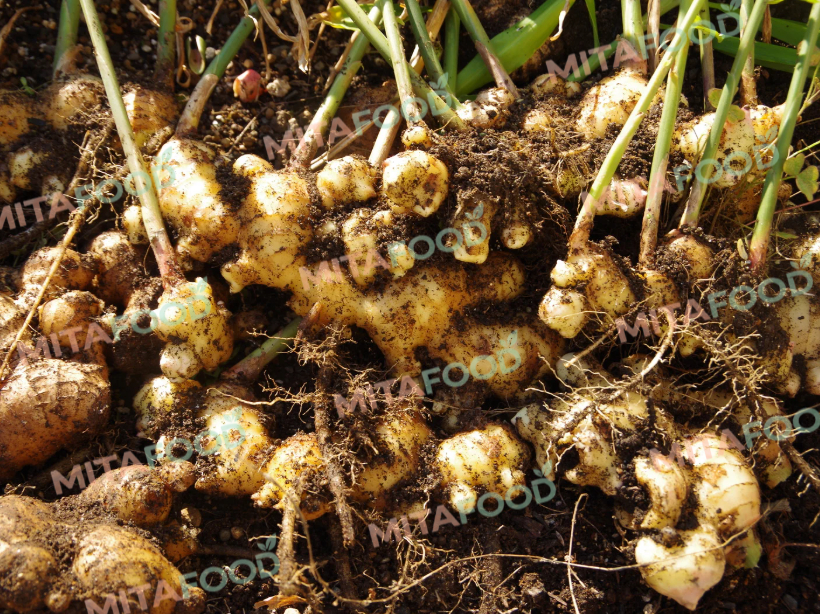
Is the export of fresh ginger permitted?
Is fresh ginger allowed to be exported?
Fresh ginger is an agricultural product that can be exported from Vietnam. However, to bring the product to the international market, businesses need to fully comply with requirements related to product quality, plant quarantine, traceability, and commercial documentation. Specific regulations may vary depending on the importing country.
Procedures for exporting fresh ginger
To ensure a smooth export process, businesses can follow these basic steps:
Step 1: Prepare business conditions and company documents.
Businesses first need to complete all legal information related to export activities, while also identifying the import market and partners. Checking the requirements of the destination country beforehand helps businesses proactively prepare appropriate documents, product standards, and transportation plans.
Step 2: Inspect and prepare the packaging facility.
For markets requiring strict agricultural product controls, packaging facilities need to meet hygiene, quality control, and traceability requirements. The processing and packaging areas also need to be properly organized to minimize the risk of cross-contamination and ensure ginger quality throughout the preparation process.
Step 3: Prepare ginger to meet export requirements.
After harvesting, ginger needs to be processed, cleaned, sorted, and packaged according to the standards of each market. Businesses should control important indicators such as pesticide residues, heavy metals, microorganisms, and other food safety requirements if stipulated by the importing market.
Besides product quality, information about the growing region, harvesting time, and processing methods also needs to be managed to facilitate traceability when necessary.
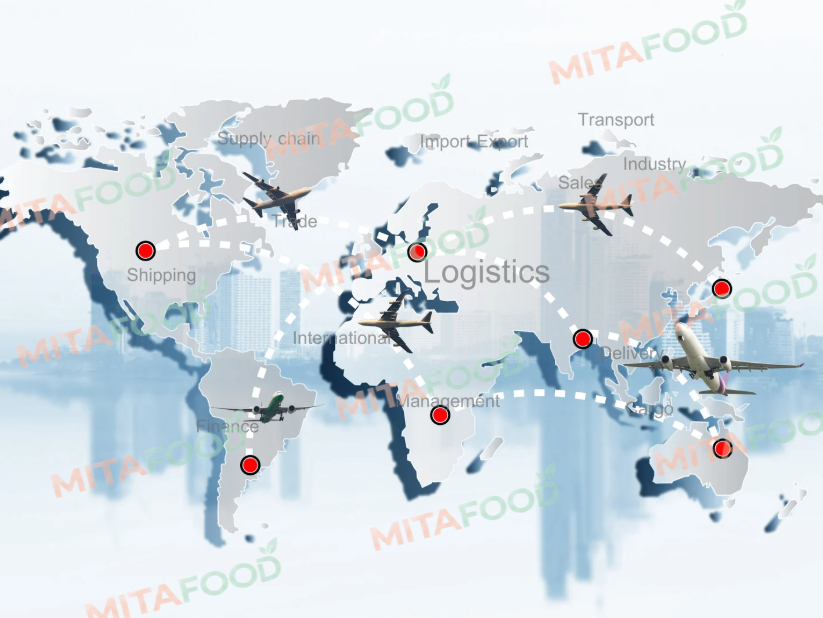
Step-by-step implementation process
Documents required for exporting fresh ginger
When performing procedures for exporting fresh ginger businesses need to prepare a set of documents that comply with Vietnamese regulations and the requirements of the importing country. Some documents commonly used in the export process include:
- Phytosanitary Certificate:
This is an important document for many exported agricultural product shipments, issued by the plant quarantine agency after the goods meet quarantine requirements. This certificate helps confirm that the ginger shipment complies with the quarantine conditions of the importing market. - Commercial Invoice: An invoice contains basic transaction information such as the exporter, importer, product name, quantity, unit price, total value, and trade terms. It is one of the documents used for customs procedures and other related operations concerning the shipment.
- Packing List: A packing list provides information about the packing specifications, number of packages, weight, dimensions, and distribution of goods within each package. This document assists businesses, carriers, and importers in checking and verifying shipment information.
- Bill of Lading/Air Waybill: Depending on the mode of transport, businesses will use either a bill of lading (B/L) or an air waybill (AWB). This document shows information about the shipment, the sender, the recipient, and the shipping route.
- Certificate of Origin (C/O): A Certificate of Origin (C/O) is used to prove the origin of goods. Depending on the market and applicable trade agreement, this document may help a shipment of ginger meet the conditions for preferential tariff treatment.
- Food quality and safety inspection certificate: Some markets may require additional analysis results for pesticide residues, heavy metals, microorganisms, or other food safety indicators. Businesses need to refer to the regulations of the importing country to determine the appropriate testing parameters and testing facility.
- Certification or documentation regarding the quality management system: Depending on customer and market requirements, businesses may need to provide certifications such as ISO, HACCP, GMP or records relating to the growing region, packaging facility, and traceability.
Thus, the set of documents in procedures for exporting fresh ginger the process is not entirely the same for all markets. Businesses should identify the importing country, shipping method, and partner requirements in advance to prepare all necessary documents and avoid problems during customs clearance.
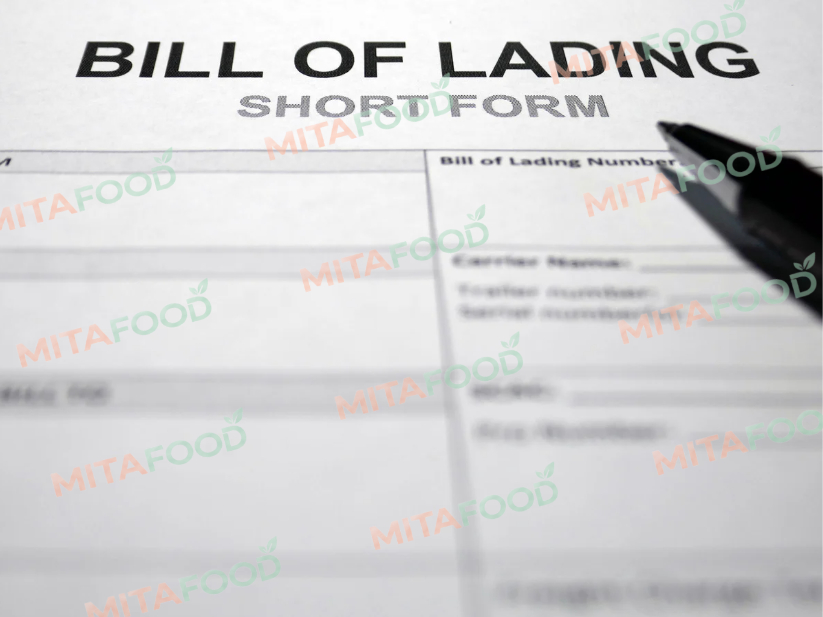
Documents required for exporting fresh ginger
Important considerations when exporting ginger internationally.
During implementation procedures for exporting fresh ginger therefore, businesses need to proactively understand the regulations of each importing country. Requirements regarding quality, quarantine, residue levels, packaging, labeling, and documentation may vary between markets. Clearly identifying the requirements from the outset will help businesses minimize risks and prepare shipments accordingly.
Ginger quality control:
Ginger for export should have appropriate freshness, relatively uniform tubers, and be free from bruising, mold, or signs of spoilage. Besides visual inspection, businesses need to control food safety indicators, especially pesticide residues, heavy metals, and other indicators as required by the importing market.
Choose the appropriate packaging method:
Packaging needs to meet the requirements for preserving ginger during transportation, while also being compatible with the logistics methods and customer standards. Packaging materials must be clean, sturdy, able to limit the impact of moisture, and provide suitable ventilation to maintain product quality.
Proactively plan for harvesting and shipping:
Ginger is an agricultural product affected by seasonality and storage conditions. Therefore, businesses should develop procurement, processing, and shipping plans based on harvest time, market demand, and transportation schedules. Good coordination between raw material sources, packaging facilities, and logistics units helps minimize unnecessary storage time.
Ensuring traceability:
Information about the growing region, cultivation process, harvesting, processing, and packaging should be fully managed. A clear traceability system helps businesses control quality throughout the supply chain and conveniently provide information when requested by partners or authorities.
Notes regarding shipping and cargo insurance:
Fresh ginger requires appropriate transportation methods and storage conditions tailored to the delivery time. Businesses can also consider purchasing cargo insurance depending on the shipment value and contract terms. Choosing a logistics company with experience in transporting agricultural products will help better control risks.
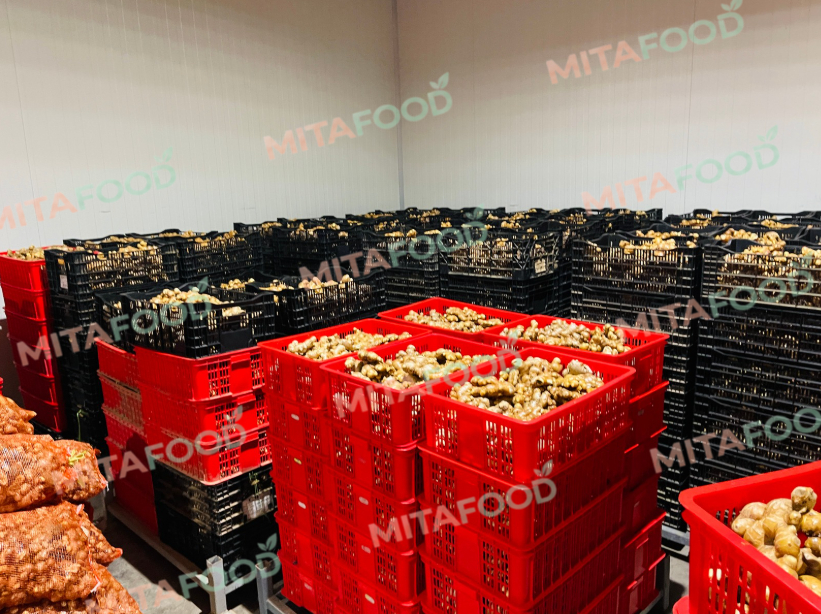
Important considerations when exporting ginger internationally.
MitaFood – A Reputable Supplier & Exporter of Fresh Ginger from Vietnam
With many years of experience in exporting agricultural products, MitaFood has mastered the procedures for exporting fresh ginger and built a global customer network. Its linked cultivation system of over 3,000 hectares, adhering to clean and organic standards, ensures a stable supply.
The processing plant meets ISO 22000, HACCP, GMP, and Halal standards, with modern production lines that enable the company to proactively prepare goods that meet export standards. Products have been successfully exported to China, Japan, South Korea, the EU, the Middle East, and North America.
With the motto “quality is honor – integrity is the foundation,” MitaFood is committed to accompanying customers in conquering the international ginger export market.
Amidst the ever-increasing demand for fresh and processed ginger, MitaFood not only acts as a reliable supplier but also as a strategic partner, helping businesses and importers access a high-quality, stable, and sustainable supply. Contact MitaFood today to receive detailed pricing, export process consultation, and optimal solutions for each market.